

Introduction
It takes more than just swapping out diesel cars for electric ones to run Electric Fleets. How well you manage energy between cars, chargers, and the grid is the true challenge—and opportunity.
Energy control has a direct impact on your operating expenses, vehicle uptime, battery life, and long-term return on investment, regardless of whether you drive electric buses, delivery vans, trucks, or industrial EVs. Fleets run the danger of increased electricity costs, underutilized assets, and preventable downtime if they don’t have a clever plan.
Let’s examine what energy control in electric fleets actually entails and how to do it effectively.
What Is Energy Control in Electric Fleets?
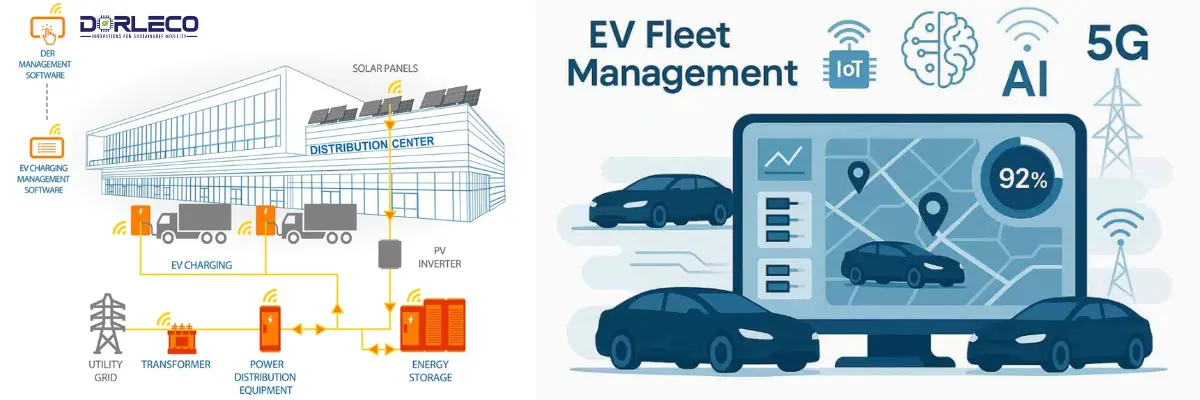
The efficient management of electricity throughout your fleet environment is known as energy control. It integrates software, batteries, chargers, cars, and the grid into a single, well-coordinated system.
Rather than charging cars every time they are plugged in, energy control makes sure:
- Charging occurs at the appropriate moment.
- At the appropriate power level
- For the appropriate car
- At the most affordable price
To put it simply, it makes fleets more predictable, economical, and energy-efficient.
Why Is Energy Management More Important Than Ever?
Energy demands are growing along with electric fleets. Without supervision, fuel savings may be subtly surpassed by energy expenditures.
Energy control has become crucial for the following reasons:
1. The Cost of Electricity Is Unpredictable
Unexpected increases in energy expenses can be caused by time-of-use rates, demand charges, and peak pricing.
2. The Cost of Charging Infrastructure
Fast chargers need a lot of electricity. Fleets run the risk of exceeding their electrical capacity if they don’t coordinate well.
3. Fleet Economics Are Affected by Battery Health
Inadequate charging methods accelerate battery deterioration and raise replacement costs.
4. You Can’t Choose Downtime
Revenue is immediately impacted by missed routes, delayed deliveries, or idle cars.
All of this is connected into a single, controllable system through energy control.
Key Components of Energy Control in Electric Fleets:
1. Smart Charging Management
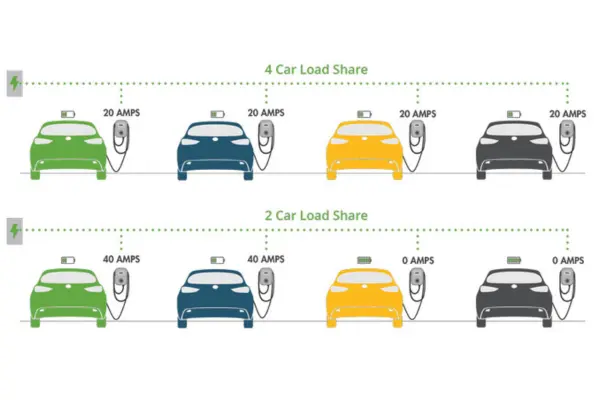
- Rather than fully charging every car, smart charging:
- Charging sessions are interrupted.
- dynamically modifies power
- gives priority to cars that must move first.
- This lessens grid stress and prevents peak loads.
2. Load & Demand Management
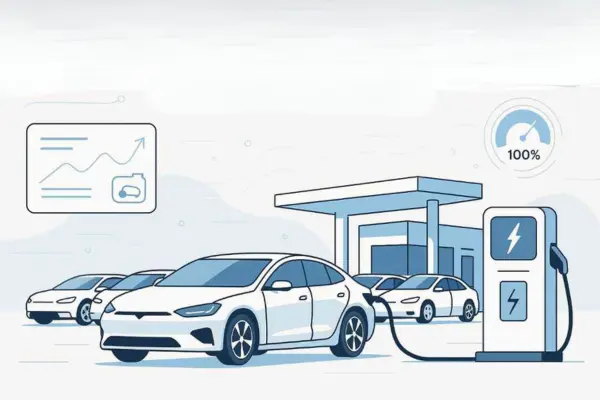
Energy control systems keep an eye on how much electricity your fleet is using at any given time and make sure it stays within economical and safe bounds.
Advantages consist of:
- Preventing penalties for demand charges
- Avoiding overloads in transformers
- Making the most of the current electrical infrastructure
3. Vehicle-Aware Energy Allocation
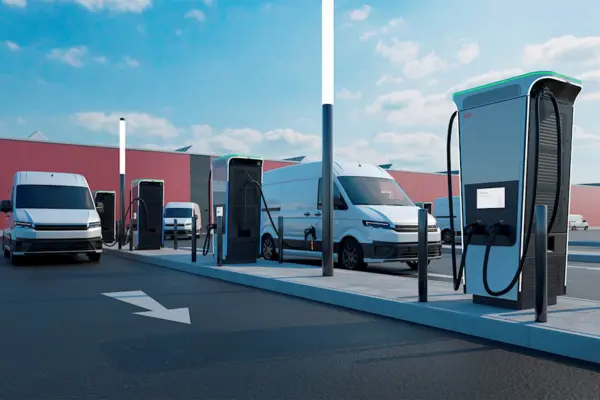
Different EVs require different charging strategies.
- An intelligent energy system is aware of:
- State of Charge (SoC) of Batteries
- The timetable for the next route or shift
- Type of vehicle and battery capacity
This makes it possible to allocate energy where it is truly needed rather than being wasted.
4. Renewable Energy Integration
On-site energy storage or solar power is being added to many fleets. Systems for energy control assist:
- Use direct solar power to charge
- Use batteries to store extra energy.
- Minimize reliance on the grid during peak hours
5. Data, Analytics & Predictive Insights
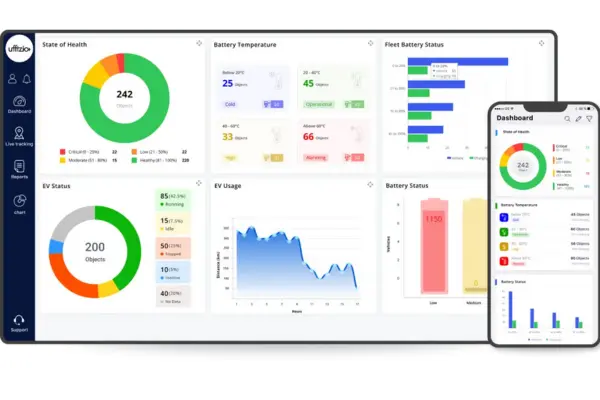
Advanced fleet energy systems predict rather than only respond.
They offer:
- Forecasts for charging
- Trends in energy costs
- Battery health information
- Analytics for fleet usage
In turn, this data enables operators to make more informed long-term decisions.
Common Challenges in Electric Fleets Energy Management:
Despite the benefits, many fleets struggle with:
Uncoordinated charging schedules
Unexpected electricity bills
Limited grid capacity at depots
Poor charger utilization
Lack of real-time visibility
Energy control systems solve these challenges by turning fragmented assets into a single intelligent energy network.
How Does Energy Control Reduce Electric Fleets’ Operating Costs?
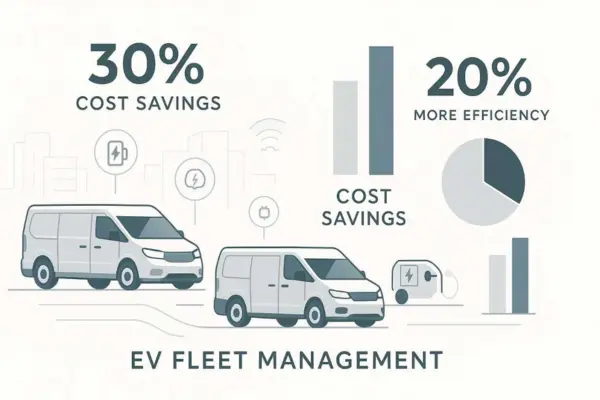
Depending on fleet size and consumption, smart energy control can save overall energy expenses by 15–30%.
The main sources of savings are:
- Optimization of off-peak charging
- Decreased demand fees
- Reduced expenses for replacing batteries
- Increased vehicle uptime
- Postponed infrastructure improvements
These savings add up over time, particularly for large fleets.
Energy Control and Electric Fleets Scalability:
Without it, as fleets continue to grow, increasing the number of EVs inevitably leads, over time, to a cascade of costly and often preventable challenges.
- Expensive electrical improvements
- More charges than are necessary
- intricate manual planning
- Using energy management:
- The current infrastructure is effectively utilized.
- It is easy to add new cars.
- Growth occurs without interruption.
For fleets preparing for long-term electrification, energy control is therefore crucial.
The Role of Software in Energy-Controlled Electric Fleets:
Although hardware forms the foundation, it is software that ultimately delivers true intelligence.
A contemporary fleet energy platform links:
- Automobile Chargers
- Meters of energy
- Grid information
- Fleet timetables
Using a single dashboard, operators can:
- Track real-time energy use
- Manage the priorities for charging
- Examine performance patterns
- Make decisions automatically
As a result, the transition from manual control to software-driven energy management becomes the defining factor that distinguishes efficient fleets from those that fall behind.
Energy Control in Electric Fleets in the Future:
Energy regulation is changing quickly. The following stage consists of
- AI-driven charging forecasts
- Integration of vehicles to the grid (V2G)
- Grid-responsive charging
- Carbon-conscious energy optimization
Consequently, as fleets continue to expand and grids become more intelligent, energy regulation will become essential.
Conclusion:
Electric fleets don’t succeed just by switching to EVs—they succeed by managing energy intelligently.
Vehicles and chargers are simply tools. What truly makes the difference is energy control—the strategy that turns those tools into a reliable, cost-effective, and scalable fleet operation. When charging is uncoordinated, costs rise quietly. When energy is managed well, fleets gain predictability, efficiency, and confidence to scale.
At Dorleco, we work closely with fleet operators, OEMs, and system integrators to make energy control practical and deployable in the real world. Beyond technology, we support customers with specialized engineering and staffing services, providing experienced EV, power electronics, controls, and software engineers who integrate directly into customer programs.
Our teams bring hands-on expertise across EV charging control, energy management software, vehicle-level intelligence, system integration, and validation—helping fleets move beyond basic charging toward smarter, data-driven operations. Whether it’s designing charging logic, tuning energy strategies, or supporting program execution, Dorleco engineers work as an extension of your team.
From optimizing charging schedules and managing peak demand to integrating renewable energy and preparing fleets for future growth, Dorleco focuses on real-world charging challenges—not theory. The goal is simple: keep vehicles ready, batteries healthy, and energy costs under control.
If you’re serious about electrification, energy control isn’t an upgrade—it’s the foundation. And with the right technology, engineering talent, and long-term partner, it becomes a competitive advantage—not a daily operational headache.