

Introduction:
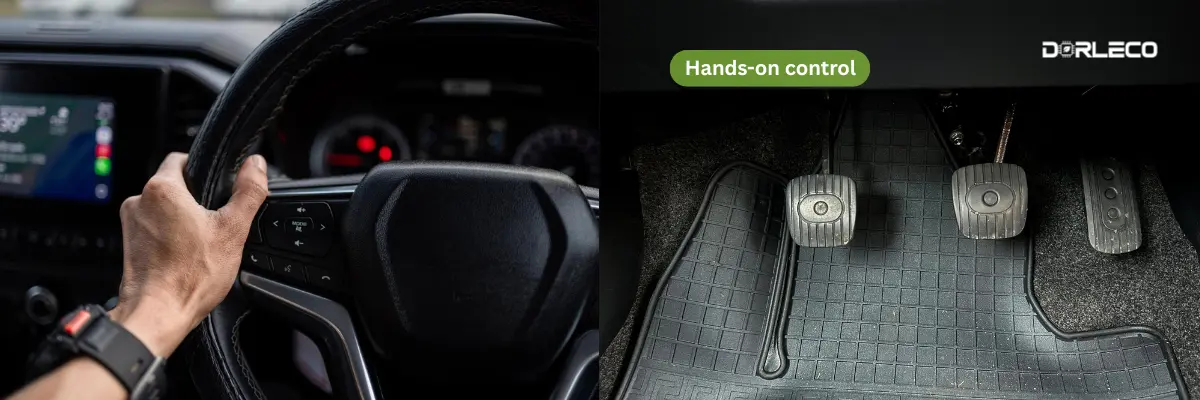
The Significance of Hands-On Control Despite the enthusiasm surrounding sophisticated automation and self-driving automobiles, most drivers still cherish the ability to remain in control. Gripping the steering wheel, sensing the pedals’ resistance, and being aware that your actions have a direct impact on the car all have a comforting quality. We refer to this physical interaction between the driver and the machine as hands-on control. Hands-on systems are still essential for safety, accessibility, engagement, and trust even while automation is revolutionizing transportation. This blog will examine:- The components of hands-on control systems.
- Their benefits and drawbacks
- How contemporary technology improves driving
- Why hybrid systems will be used in the future
What Does an Automobile’s Hands-On Control Mean?
Physical driver-operated systems that directly control vehicle operations, such as steering wheels, pedals, joysticks, and tactile interfaces, are referred to as hands-on control. The driver is still actively involved in these systems, which could be drive-by-wire, electrical, or mechanical.Core Hands-On Control Technologies
1. Steering Control Systems
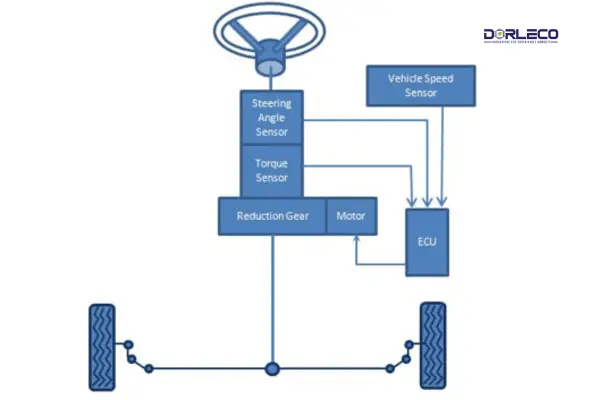
- The core of hands-on driving is steering.
- Modern automobiles make use of:
- Steering effort is decreased by electric power steering (EPS).
- Adapt responsiveness according to speed using variable steering ratios.
- Adaptive steering systems improve stability and accuracy.
2. Electronic Throttle and Brake Controls
Drive-by-wire technologies, such as the following, have essentially supplanted traditional mechanical linkages:- Control of the throttle electronically
- Electronic assistance for the brakes
- Systems with brakes by wire
- Quicker reaction
- Adjustable sensitivity
- Improved safety system integration
3. Adaptive and Modifiable Controls
- Accessibility is important.
- These days, modern car controls can be:
- Sensitivity can be changed
- Adjustable by position
- Adaptable to the demands of individual drivers
4. Gesture and Touch Controls
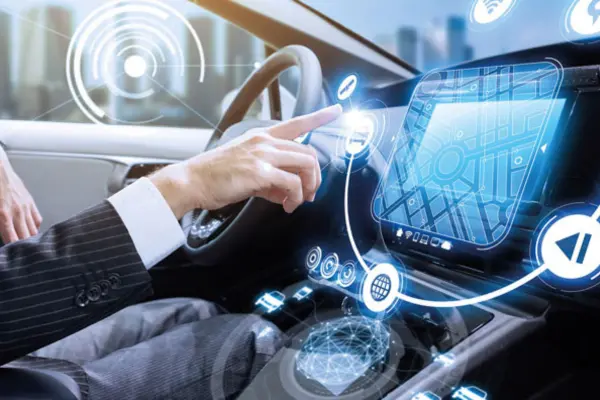 Cameras and sensors are used by gesture recognition systems to identify hand movements. The drivers can:
 - Modify the volume
- Answer the phone
- Handle menus
5. Voice-Activated Systems
It is no longer necessary to physically interact with interfaces thanks to voice controls.- Among the examples are
- Commands for navigation
- Modifications to climate control
- Management of information
6. Alternative Controls and Joystick
Joystick-based driving systems for adaptive mobility solutions enable:- guiding
- Boosting and Braking
7. Haptic Feedback Systems
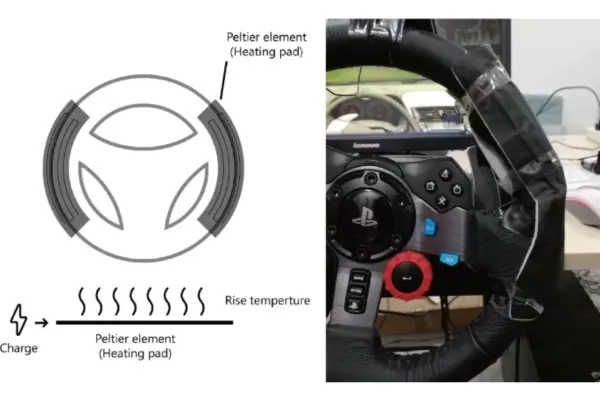
Haptic feedback enhances awareness through vibration or resistance.
Examples:
-
Lane departure warnings
-
Collision alerts
-
Navigation cues
It provides touch-based communication between vehicle and driver.
Advantages of Hands-On Control
1. Faster Reaction Time
Delays are decreased through physical contact. Drivers react immediately to:- Obstacles
- Road conditions
- Traffic changes
2. Accurate Management
Fine motor abilities allow for:- Precise steering adjustments
- Smooth acceleration
- Regulated braking
3. Lower Cognitive Load
- Distraction from screens is lessened with physical controls.
- Instead of using menu navigation, drivers rely on muscle memory.
4. Tactile Feedback
Subconscious knowledge regarding the following is provided by feeling pedal pressure or steering resistance:- Traction
- texture of a road
- Balance of the vehicle
5. Muscle Memory & Familiarity
The majority of drivers receive physical control training. It feels normal to switch cars.6. Safety Engagement
- In general, drivers are more attentive when they are physically involved.
- Over-reliance on automation can be avoided with the use of hands-on systems.
The disadvantages of hands-on control
Every system has flaws.1. Accessibility Challenges
Traditional layouts may be difficult for certain drivers who have physical restrictions.2. Integration Limits with Automation
- sophisticated features such as
- Cruise control that adapts
- Help with lane keeping
- Parking that is automated
3. Physical Fatigue
Long drives or congested traffic can cause:- Arm strain
- Leg fatigue
- Mental exhaustion
4. Human Error
Manual control is always accompanied by:- Variability in reaction time
- Errors in judgment
- Problems with coordination
5. Mechanical Wear
Physical elements:- Columns for steering
- Pedals
- Mechanical connections
- need to be maintained throughout time.
The Future: Hybrid Control Systems
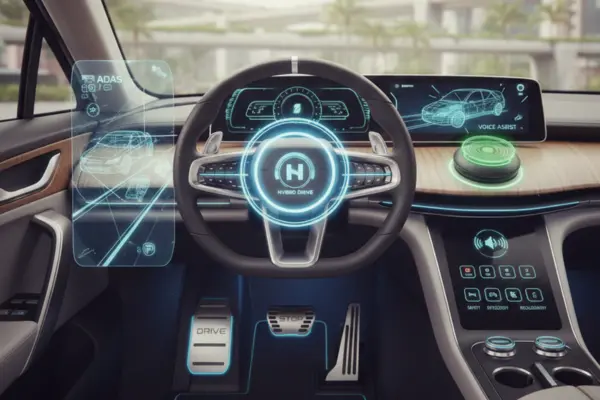 The future is hybrid, neither entirely autonomous nor entirely manual.
 Contemporary automobiles blend:
- Physical pedals and steering
- Drive-by-wire electronic
- Integration of ADAS
- Voice and haptic aids
This guarantees:
- Safety, effectiveness, and inclusivity
- Redundancy
Final Thoughts
Hands-on control isn’t outdated. It’s evolving.
Drivers still value physical engagement—but they also expect intelligent assistance. The smartest automotive platforms combine tactile interaction with advanced automation.
Powering That Future with Dorleco
At Dorleco, we help OEMs and EV innovators build control systems that feel intuitive, responsive, and future-ready. From advanced Vehicle Control Units (VCUs) and intelligent CAN Displays to customizable CAN Keypads and full-stack EV software services, our solutions are designed to bridge physical control with digital intelligence.
Whether you’re developing a new EV platform, enhancing drive-by-wire architecture, or integrating next-gen HMI systems, Dorleco delivers:
-
⚡ Scalable, production-ready VCU solutions
-
🔧 Customizable control interfaces (Displays & Keypads)
-
💻 End-to-end EV software development
-
🚗 Full-lifecycle engineering support from concept to validation
We don’t just supply components—we accelerate intelligent mobility with tailored engineering and off-the-shelf solutions built for real-world performance.
📩 Connect with us at info@dorleco.com to explore how Dorleco can support your next mobility innovation.